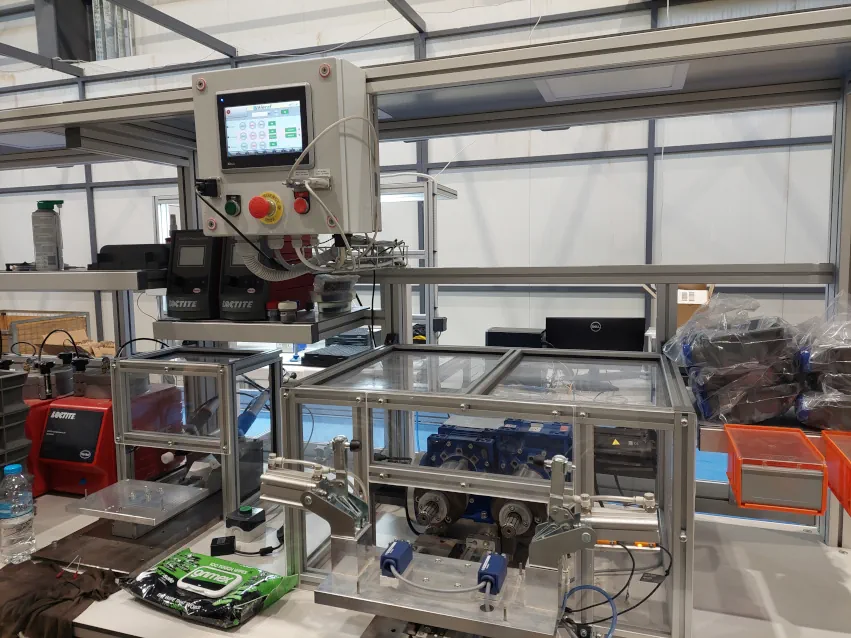
Cost, Quality and Productivity Improvement
We look for where time, material, capacity or quality is lost, and design practical interventions that improve production without unnecessary investment.
Losses hide between departments.
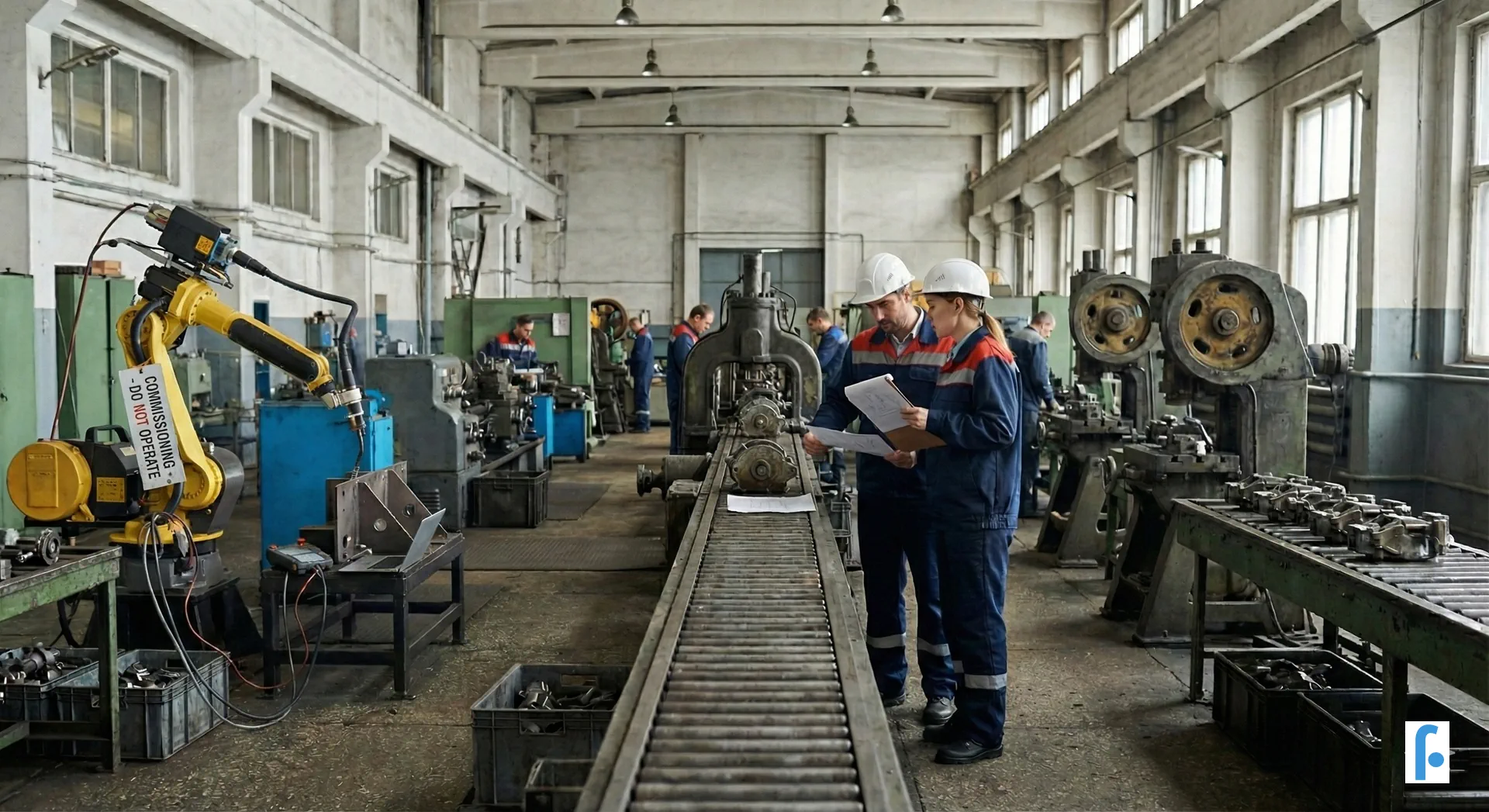
In production everything depends on everything else: the product design, the process, the moulds, the planning, the quality requirements, the people. A high scrap rate may start in the mould; a slow line may be waiting for material; a new machine may move the bottleneck somewhere else.
That is why we look at the whole production, technically and as a business, before proposing anything. Often the best intervention is a change in organisation or in a fixture, not a new investment.
What we take on
- Analysis of the production process
- Bottlenecks
- Cycle times
- Scrap and rejects
- Productivity
- Material flow
- Quality
- Automation opportunities
- Organisation of production
- Data for decisions
- Evaluation of equipment
- Improvement proposals
What we are not
A Lean, Six Sigma or ISO consultancy. efce looks at your production the way an industrial engineer who has run a factory does: technically and as a business.
A systematic approach, applied hands-on.
-
Assessment on the floor
The current state, measured where possible: flows, times, rejects, stoppages.
-
Where the losses are
The few causes that account for most of the loss, and what each costs.
-
Interventions
Practical changes, from organisation and fixtures to automation, with cost and expected benefit, shaped to the company's size and people.
-
Implementation
On site, alongside your people, until the change works in daily production.
-
Measurement
The result is measured, and adjusted where needed.
Success in manufacturing comes from careful planning, relentless improvement and a steady focus on quality.

Real projects.
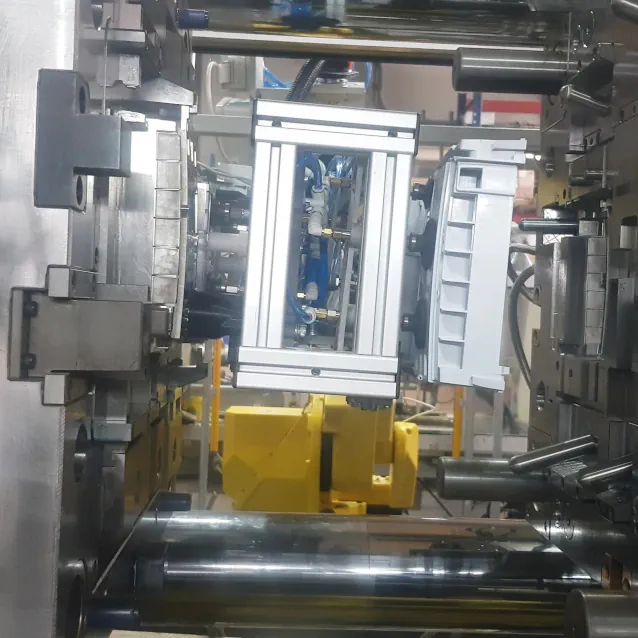
A robotic overmoulding cell
A new injection moulding department
You see a problem in production but not exactly where it is?
Describe what you see: costs, delays, rejects, a line that never reaches its capacity. A first visit is usually enough to tell where to look.